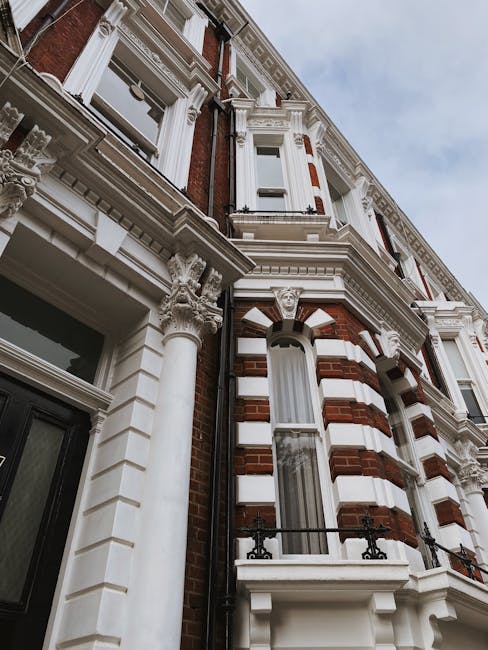
Ravenscourt Park deep cleaning for flats in W6
Posted on 15/06/2026
Ravenscourt Park deep cleaning for flats in W6: a practical guide for spotless London living
If you live in a flat near Ravenscourt Park, you already know the reality: city dust creeps in, kitchen grease builds faster than you expect, and bathroom limescale has a habit of returning like it pays rent. Ravenscourt Park deep cleaning for flats in W6 is not just about making things look nice for a day. It is about resetting the space properly, getting into the hidden corners, and making a compact London flat feel healthier, brighter, and far easier to live in.
This guide walks through what deep cleaning actually means, how it works in a flat setting, when it makes sense, what to watch out for, and how to judge quality before you book. If you are comparing options, you may also find the broader service overview useful in the services overview and the company's approach to deep cleaning in Hammersmith.
One thing worth saying early: a good deep clean is not the same as a tidy-up. It is slower, more detailed, and frankly a bit more hands-on. That is the point.
Quick expert summary: if your flat feels dusty despite regular cleaning, has been vacant, has tenants moving in or out, or simply needs a proper reset after a busy season, a structured deep clean usually gives the best value. It reaches the grime you stop noticing and helps bring the whole place back under control.

Why Ravenscourt Park deep cleaning for flats in W6 Matters
Flats around Ravenscourt Park tend to have a few cleaning realities in common. They are often compact, meaning dust, odours, and clutter build up quickly. Many have mixed flooring, fitted kitchens, shared entrances, or older details that look lovely but collect grime in awkward places. And because London life is busy, the clean that happens in a normal week often focuses on the visible stuff: worktops, floors, the sink, maybe a quick bathroom wipe.
That is fine for maintenance. It is not enough for a proper reset.
Deep cleaning matters because a flat has many touchpoints that are easy to overlook. Think skirting boards, behind radiators, oven seals, extractor fans, shower glass, cupboard tops, window tracks, and the edges where dust likes to sit and wait. In a smaller property, those neglected zones affect the whole feel of the home faster than you might expect. A faint smell from the bin area or grease near the hob can make the entire kitchen feel off. Annoying, but true.
There is also a practical side. A thorough clean can help you spot maintenance issues earlier, such as mould starting in a bathroom corner, worn grout, a leaking pipe under a sink, or carpet marks that need specialist attention. That kind of early noticing can save you a headache later.
For renters, landlords, and homeowners alike, the value is similar: a cleaner flat is easier to manage, more pleasant to live in, and generally easier to hand over or market when the time comes. If you are thinking about occupancy change, it may help to look at the specific requirements of end-of-tenancy cleaning in Hammersmith too, especially where deposit expectations are in play.
In a busy W6 flat, what you cannot see often matters as much as what you can. That is why deep cleaning is less about perfection and more about getting the space back to a proper standard.
How Ravenscourt Park deep cleaning for flats in W6 Works
A proper flat deep clean follows a clear pattern. It is not random scrubbing. It starts with assessment, then moves room by room, top to bottom, dry to wet, and surfaces to details. That order matters because it prevents cleaned areas from being re-dirtied as work continues. A cleaner who begins at the floor and then dusts shelves, for example, has basically created more work. Happens all the time. Not ideal.
Typically, the process begins with a walkthrough or brief job assessment. The cleaner checks the property size, condition, layout, and any specific concerns such as pet hair, smoke residue, heavy limescale, or post-renovation dust. In flats, access details matter too: whether there is lift access, parking limitations, building rules, and any noise restrictions.
From there, the clean is usually divided into zones:
- Kitchen: degreasing surfaces, hob, splashbacks, cupboard fronts, handles, sink, taps, and often the oven exterior and interior if requested.
- Bathroom: descale taps and shower screens, clean tiles and grout lines, sanitise toilets, polish chrome, and deal with damp-prone corners.
- Bedrooms and living areas: dusting high and low surfaces, wiping switches, cleaning radiators, vacuuming soft furnishings, and treating skirting and edges.
- Floors and carpets: vacuuming thoroughly, spot cleaning, and, where needed, arranging specialist carpet cleaning or upholstery care.
In a one-bed or studio flat, the challenge is not usually size. It is detail density. Every cupboard, corner, and narrow gap gets more use than in a larger property. In a two-bed flat, it is often the repetition of tasks that makes a difference: two bathrooms, two bedrooms, more doors, more handles, more glass, more things to catch grime.
Some jobs are best handled as a one-off reset. If that sounds familiar, have a look at one-off cleaning in Hammersmith for a sense of how a deeper visit differs from routine cleaning. And if carpets or upholstery are part of the issue, those areas often need special treatment rather than standard surface cleaning. See carpet cleaning in Hammersmith and upholstery cleaning in Hammersmith for more context.
Key Benefits and Practical Advantages
The obvious benefit is a cleaner flat. Fair enough. But the stronger gains are often the ones people notice after a day or two, when the place starts to feel easier to live in.
- Better air freshness: dust, trapped odours, and stale kitchen residue can make a flat feel heavy. Deep cleaning helps reset that.
- Improved hygiene: bathrooms and kitchens are the main areas where bacteria and grime build up quickly, especially in small homes.
- Longer-lasting surfaces: regular descaling, gentle degreasing, and proper care can help preserve finishes, grout, and fixtures.
- Less stress before a move: if you are moving in, moving out, or preparing for guests, a deep clean removes a lot of the pressure.
- More confidence in shared spaces: in buildings with communal access, you may want your own home to feel properly under control, even if the hallway outside is another story.
There is a quieter benefit too: mental clarity. A flat that has been deep cleaned often feels easier to settle into. Less visual noise. Less "I really should deal with that" hovering in the background. It is a small thing, but not really small at all.
For landlords and letting agents, a thoroughly cleaned flat can support a smoother handover and reduce avoidable complaints. For homeowners, it can make regular upkeep much more manageable because you are starting from a better baseline. And if your flat has been neglected for a while, a good reset can be the difference between constant catch-up cleaning and a home that feels maintainable again.
Who This Is For and When It Makes Sense
Ravenscourt Park deep cleaning for flats in W6 is a good fit for a surprisingly wide range of situations. It is not just for "dirty" homes. More often, it is for homes that have simply got out of sync with normal cleaning routines.
You may want this service if you are:
- moving into a new flat and want a true reset before unpacking
- moving out and want the property to present well
- coming to the end of a tenancy
- hosting guests or an event and want the place to feel polished
- returning after renovations, decorating, or trades work
- dealing with a build-up of dust, grease, or bathroom limescale
- living busy enough that weekly cleaning has become a bit too light
It also makes sense after seasonal changes. Spring, late summer, and the run-up to winter are common moments when flats need more than a quick tidy. Windows stay shut for longer, heating systems kick in, and dust seems to settle on everything overnight. You know the feeling.
If your home is in decent shape and only needs a lighter refresh, a spring cleaning service in Hammersmith may be enough. If you need recurring upkeep rather than a big reset, routine domestic cleaning in Hammersmith or house cleaning in Hammersmith could be the better long-term fit. The trick is matching the service to the state of the flat, not the other way round.
Step-by-Step Guidance
If you are booking or planning a deep clean, here is the simplest way to think about it.
- Walk through the flat first. Notice the problem zones. Is it mostly kitchen grease, bathroom residue, dust, carpet marks, or a bit of everything?
- Decide the scope. Make a short list of what should be included: oven, fridge, inside cupboards, skirting, tiles, windows, carpet cleaning, upholstery, and so on.
- Clear clutter before the clean. Deep cleaning works best when surfaces are reachable. Put away loose items, laundry, dishes, and paperwork.
- Flag any sensitive materials. If you have natural stone, delicate upholstery, or specialty flooring, mention it. Different finishes need different methods.
- Prioritise bathrooms and kitchen first. These are usually the highest-impact rooms.
- Check details at the end. Look at taps, corners, handles, hidden ledges, and the inside of appliances if they were included.
That last step is worth doing properly. Many people glance around the room, think "yes, looks nice," and only later notice a sticky cupboard edge or dusty blind cord. Happens to the best of us.
If you are preparing a property for handover, timing matters. Leave enough room to clean after all packing is done, after any repairs, and after the last bag has gone. Otherwise you may end up cleaning around boxes, which is nobody's idea of efficiency.
Expert Tips for Better Results
There are a few small things that make a deep clean more effective, and they are easy to miss if you have not done this before.
- Work from the top down. Dust falls. Clean shelves, cabinets, and higher fixtures before the floors.
- Let products dwell where appropriate. Degreasers and descalers often need a bit of time to work. Wiping too quickly can waste effort.
- Use separate cloths for different rooms. Bathroom cloths should not wander into the kitchen, obvious really, but it still happens.
- Be careful with excess moisture. Flats with older timber, sealant gaps, or laminate finishes do not love soaking wet cleaning methods.
- Pay attention to touchpoints. Light switches, handles, remote controls, and doorframes collect fingerprints fast.
- Schedule carpet or fabric care separately if needed. Deep cleaning the flat does not automatically mean every textile needs the same treatment.
A small real-world observation: in many W6 flats, the hardest-working areas are the narrow ones. The gap beside the fridge. The strip behind the toilet. The ledge under the window. Tiny places, big difference.
Also, if you have pets, say so early. Pet hair and dander are manageable, but they change the workload. Better to be upfront than to have a half-finished plan and a lot of fluff still drifting around the sofa. Not fun.

Common Mistakes to Avoid
Deep cleaning can go wrong in predictable ways. The good news is that most of them are avoidable.
- Expecting a quick surface clean to do the same job. It will not. Deep cleaning takes time because detail takes time.
- Skipping the prep. If items are everywhere, cleaners spend more time moving things and less time cleaning them.
- Ignoring appliance interiors. A spotless kitchen still feels off if the oven or fridge is grimy inside.
- Using the wrong product on delicate finishes. Harsh chemicals can damage stone, wood, and some metals.
- Forgetting hidden areas. Door tops, extractor filters, and behind radiators are classic misses.
- Leaving validation until after the cleaner has gone. It is much easier to fix an issue while the job is still fresh.
One more mistake that comes up a lot: booking the wrong type of service. A lot of people want a post-tenancy reset but ask for a standard domestic clean. The result can be underwhelming. If the flat has heavy build-up, be clear that it is a deep clean from the outset.
Tools, Resources and Recommendations
You do not need a suitcase full of professional kit to understand what a good clean should include, but it helps to know the basics. Typical deep cleaning work may involve microfibre cloths, non-abrasive scrub pads, degreasers, descalers, disinfecting solutions, vacuum attachments, extendable dusters, and steam or extraction equipment where suitable. The exact toolkit depends on the surface, and that matters more than people think.
For flats with carpet, embedded dirt and traffic marks may need specialist attention rather than standard vacuuming alone. Upholstery can be the same story; a sofa that looks fine in daylight may still hold dust and odour close to the fabric. That is where targeted treatment is much more useful than a general wipe-down.
It also helps to have a short pre-clean list at home:
- bin out loose rubbish
- clear counters and floors
- remove personal items from shelves and bathroom edges
- empty sinks and dish racks
- move small furniture if access is needed
- check whether parking or entry instructions need to be arranged
If you are comparing service levels or want to understand what is included before booking, pricing and quotes is a sensible place to start. If you are concerned about what happens after you book, the notes on payment and security are worth a look as well.
Law, Compliance, Standards, or Best Practice
For most householders, the legal side of deep cleaning is straightforward, but there are still good standards to bear in mind. In the UK, cleaning work should be carried out with sensible care, proper handling of products, and attention to safety. If cleaners are working in a flat, they should also respect building access rules, noise considerations, and any instructions about parking or shared areas.
It is sensible best practice for any service provider to work in line with health and safety expectations, use appropriate cleaning materials, and avoid damage to surfaces or fixtures. Insurance matters too. Accidents are rare, but they do happen, and a trustworthy provider should be clear about how they handle risk. You can review the relevant details on insurance and safety and the health and safety policy.
If you are a tenant, it is also sensible to check your tenancy agreement before assuming what level of cleaning is required at move-out. The exact expectations can vary, and it is better to clarify that early than argue about it later. A careful clean supported by a clear inventory is usually the least stressful route.
For anyone booking a provider, transparency is a good sign. Clear inclusions, reasonable exclusions, and a simple complaints route all suggest the business takes its work seriously. The same goes for communication around terms and privacy. No drama, just clarity.
Options, Methods, or Comparison Table
Choosing the right cleaning approach depends on the condition of the flat and your end goal. Here is a practical comparison.
| Option | Best for | Typical focus | Watch out for |
|---|---|---|---|
| Regular domestic clean | Ongoing upkeep | Visible surfaces, floors, basic bathroom and kitchen cleaning | Usually not detailed enough for heavy grime |
| Deep clean | Resetting a flat | Edges, fixtures, build-up, neglected areas, more detail in kitchens and bathrooms | Needs prep time and a clear scope |
| End-of-tenancy clean | Move-out or handover | Broad, thorough cleaning aligned to handover expectations | Should be matched to tenancy requirements |
| Spring clean | Seasonal refresh | Dust removal, decluttering support, freshening main rooms | May be lighter than a true deep clean |
There is no universally "best" option. There is only the right one for the state of the property. If your flat just needs a seasonal boost, a lighter service can be enough. If the shower screen has a calcium halo and the hob looks like it has stories to tell, go deeper.
Case Study or Real-World Example
Picture a two-bedroom flat near Ravenscourt Park after a busy stretch of work, travel, and one rather ambitious dinner party. The kitchen has grease around the hob, the bathroom has limescale on the shower glass, the living room carpet shows faint traffic marks, and the bedrooms have dust settling along skirting and wardrobe tops. Nothing shocking. Just enough to make the whole place feel tired.
The first step is a proper walkthrough. The cleaner notes the kitchen as the highest priority, with the bathroom close behind. Soft furnishings are checked for marks, and the carpets are vacuumed with attention to edges and under furniture where access allows. Window tracks, handles, switches, and radiator fronts get cleaned because those small details change the feel of the entire room.
By the end, the flat does not look staged. It looks cared for. That is the difference. The air feels lighter. The bathroom no longer has that chalky shine from hard water build-up. The kitchen feels usable again instead of vaguely apologetic. And because the deep clean dealt with the awkward areas, the owner can go back to regular upkeep without feeling like they are playing catch-up every week.
That sort of reset is often what people really want, even if they do not say it that way. They want a flat that feels manageable again. Fair enough.
Practical Checklist
Use this checklist before and after a deep clean to keep things simple.
- Decide whether the flat needs a deep clean, end-of-tenancy clean, or lighter refresh
- List problem areas room by room
- Remove clutter and valuables from surfaces
- Make access instructions clear in advance
- Tell the cleaner about pets, delicate materials, or known stains
- Confirm whether appliances, carpets, and upholstery are included
- Inspect the kitchen, bathroom, edges, and hidden corners at the end
- Check that any agreed extras were completed
- Note anything that needs maintenance, not cleaning
Simple, but effective. And yes, the last point matters. Sometimes a mark is a stain; sometimes it is wear. Distinguishing the two saves everyone a bit of unnecessary fuss.
Conclusion
Ravenscourt Park deep cleaning for flats in W6 is really about giving a compact London home a proper reset. It clears the grime that routine cleaning misses, makes everyday upkeep easier, and helps your flat feel fresher, healthier, and more settled. For anyone moving, renovating, hosting, or simply tired of looking at the same dusty corners, it is a practical and surprisingly satisfying investment of time.
The best results usually come from clear expectations, the right scope, and a careful eye for detail. That sounds simple, because it is. But simple done well is often what makes the biggest difference.
Get a free quote today and see how much you can save.
If you want to explore the local area a little more while you plan the job, the site's nearby reading on Hammersmith as a delightful suburb, living in Hammersmith from a local's view, and Hammersmith real estate as a wise investment can give helpful local context. It is nice to know the place you live in, after all.
And if you are the kind of person who likes to compare before deciding, that is sensible too. Clean living should feel calm, not complicated.